Perched atop the misty cliffs of Meghalaya, Cherrapunji (Sohra) is famed for its extraordinary rainfall and emerald plateaus. The town’s dramatic gorges, plunging waterfalls, and living root bridges create a landscape that feels both primeval and poetic. Cherrapunji is where rain sculpts the land into lush valleys and the cloud cover becomes part of the scenery, offering an unforgettable encounter with nature’s theatrics.
More than just heavy rains, Cherrapunji is rich in biodiversity and culture. From trekking through cloud-forests to exploring limestone caves, and from photographing thunderous falls to meeting the warm Khasi communities, the destination balances adventure with contemplative beauty. Visitors come for the waterfalls and return with memories of misty mornings, mossy trails, and ancient living bridges that pulse with life.
Located roughly 54 km from Shillong and about 160 km from Guwahati, Cherrapunji is easily integrated into a Meghalaya circuit. The area is ideal for nature lovers, photographers, and cultural explorers who enjoy dramatic weather and striking landscapes.
Cherrapunji's attractions combine geology, hydrology, and living culture. From panoramic viewpoints to subterranean caverns and bio-engineered bridges, each site reveals a different facet of the region’s natural heritage. Timing matters — waterfalls swell during the monsoon, living root bridges are best accessed in drier spells, and cave interiors remain cool year-round.
Cherrapunji also pairs well with nearby attractions such as Shillong and Mawlynnong. Combining these stops creates a balanced itinerary of waterfalls, viewpoints, and cultural interactions across Meghalaya.
Cherrapunji is approximately 54 km from Shillong (1.5–2 hours) and about 160 km from Guwahati (4–5 hours). The drive from Shillong to Cherrapunji is scenic, passing through pine forests and highland villages.
The nearest airport is Lokpriya Gopinath Bordoloi International Airport (GAU) in Guwahati. From Guwahati, hire a taxi or use shared transport to Shillong and onward to Cherrapunji.
There is no direct railhead at Cherrapunji. The nearest major rail connection is Guwahati; travelers usually combine rail to Guwahati with road transport for the onward journey to Meghalaya.
Cherrapunji (Meghalaya) does not require an Inner Line Permit (ILP) or Protected Area Permit (PAP) for Indian or foreign nationals. Standard ID proof is advisable for travel and accommodation check-ins, but there are no special permits required for visiting the town or most nearby attractions.
Cherrapunji experiences a subtropical highland climate marked by abundant rainfall and moderate temperatures year-round. The monsoon season is long and intense, but even then, the beauty of the place remains unmatched, with clouds drifting across emerald cliffs and waterfalls in full force.
| Season | Months | Temperature Range | Highlights |
|---|---|---|---|
| Winter | December – February | 8°C – 18°C | Cool and pleasant with misty mornings; ideal for sightseeing, photography, and short treks. Light woollens recommended. |
| Summer | March – May | 12°C – 25°C | Comfortable and clear for most outdoor activities; waterfalls begin to gain strength. Excellent for exploring caves and root bridges. |
| Monsoon | June – September | 15°C – 23°C | Heavy rainfall transforms the landscape into a lush paradise with roaring waterfalls. Carry waterproof gear and plan buffer time for travel delays. |
| Post-Monsoon (Autumn) | October – November | 10°C – 20°C | Clear skies, rejuvenated greenery, and vibrant cloudscapes — perfect for landscape photography and open-air sightseeing. |
Rainfall is frequent even outside monsoon months, so carry umbrellas and waterproof layers year-round. Nights can be chilly; light woollens or jackets are advised. The misty ambience adds to Cherrapunji’s magic but requires cautious driving.
Cherrapunji can be visited year-round, but the experience varies by season:
Day 1: Arrival at Guwahati → Shillong (sightseeing at Umiam Lake en route)
Day 2: Shillong → Cherrapunji (visit Nohkalikai Falls, Mawsmai Cave, Dainthlen Falls, and Thangkharang Park)
Day 3: Full-day excursion to Double Decker Living Root Bridge (Nongriat trek) and Seven Sisters Falls
Day 4: Cherrapunji → Shillong → Guwahati (optional stops at Mawkdok Valley Viewpoint or Elephant Falls)
For detailed itineraries and travel options, check out our Cherrapunji Tour Packages.
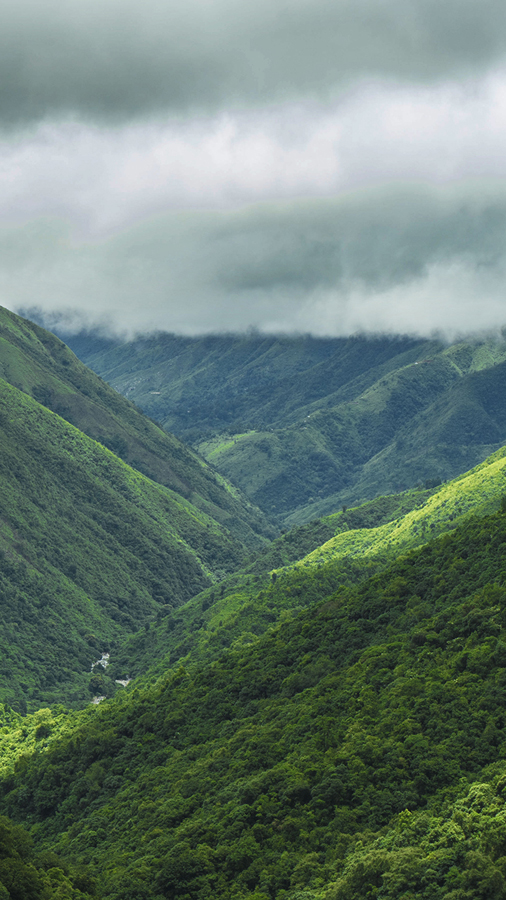
Mawkdok Valley View Point
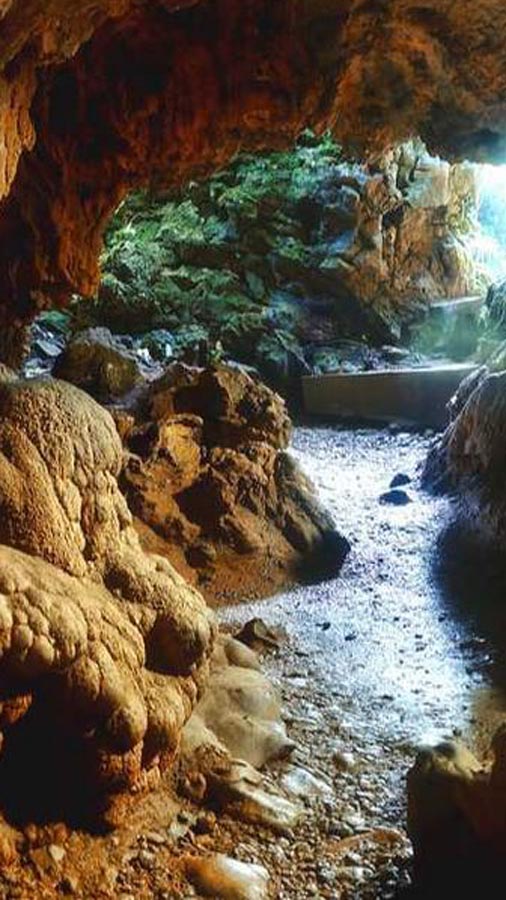
Mawsmai Caves
.jpg)
Nokalakai Falls (The tallest plunge waterfall in India)
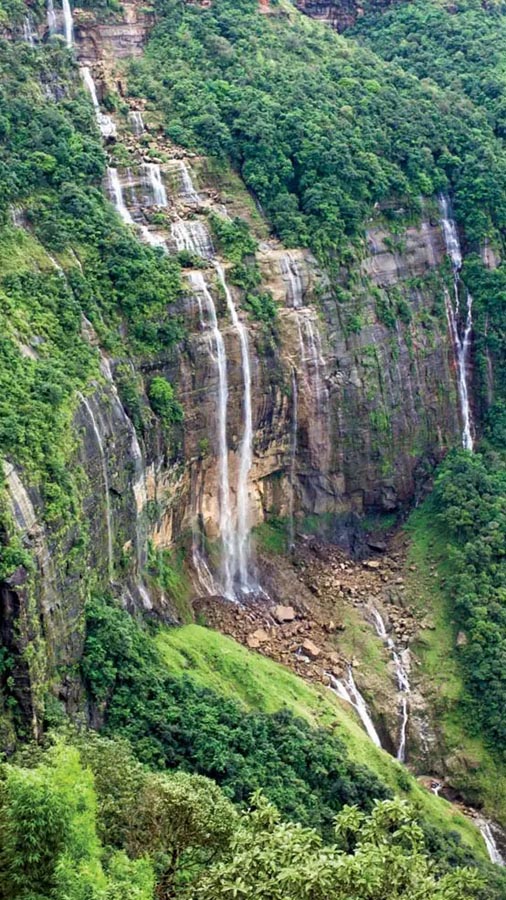
Seven Sisters Falls
Cherrapunji is located in the Indian state of Meghalaya, in the northeastern part of the country. It is known for its picturesque landscapes and is often referred to as one of the wettest places on Earth.
Cherrapunji is famous for its exceptionally heavy rainfall, lush greenery, and stunning waterfalls. It held the record for the highest annual rainfall for many years, making it a popular destination for nature enthusiasts.
The best time to visit Cherrapunji is during the months of October to May when the weather is relatively dry. The monsoon season (June to September) brings heavy rainfall, which may limit outdoor activities.
Some must-visit attractions in Cherrapunji include the Nohkalikai Falls, Seven Sisters Falls, Mawsmai Cave, Double Decker Living Root Bridge, and the Eco Park etc.
Yes, Cherrapunji offers excellent trekking opportunities, especially to places like the Double Decker Living Root Bridge and the Nongriat village. These treks provide a chance to explore the natural beauty of the region.
Nohkalikai falls, the tallest plunge waterfall in India, is located in Cherrapunji.