Tucked away in the serene West Kameng district of Arunachal Pradesh, Dirang is a tranquil hill station known for its pleasant weather, verdant valleys, and warm Monpa hospitality. Situated at an altitude of around 4,900 feet, Dirang serves as a perfect midway halt between Nameri and Tawang. It offers a gentle blend of natural beauty, cultural depth, and rejuvenating experiences — from its hot springs and monasteries to its apple orchards and lush meadows.
The town’s landscape is painted with terraced fields, misty hills, and the gurgling Dirang Chu River that winds gracefully through it. Home to the Monpa tribe, Dirang offers a fascinating peek into traditional Buddhist life, complete with monasteries adorned in prayer flags, stone houses built centuries ago, and warm butter tea served with heartfelt smiles. Whether you’re seeking relaxation, photography, or an authentic Himalayan village experience, Dirang is a soulful introduction to the charm of Arunachal Pradesh.
Sightseeing in Dirang is a delightful journey through history, spirituality, and unspoiled landscapes. Its slow rhythm allows visitors to immerse themselves in local culture while enjoying breathtaking views of snow-capped peaks and green valleys.
For those seeking deeper cultural experiences, a walk through Dirang Village reveals a slower rhythm of life — where Monpa homes with stone walls and slate roofs stand against terraced fields and fluttering prayer flags. The sound of the Dirang River blends with the chanting from hilltop monasteries, creating a tranquil harmony. As dawn breaks, the first sunrays emerging from behind the hills gently illuminate the monastery — a sight of pure serenity and timeless beauty. Visitors often pause here not just for the views, but for the calm — to sip butter tea with locals, watch the clouds drift over the valley, and rediscover the quiet grace of the mountains before continuing their journey deeper into Arunachal.
Dirang is well connected by road to Bhalukpong (around 140 km) and Tawang (around 140 km). Regular shared taxis and private vehicles operate on this scenic route that winds through picturesque valleys, pine forests, and charming mountain hamlets. The drive from Tezpur or Bomdila to Dirang offers stunning photo opportunities throughout.
The nearest major airport is Tezpur Airport (TEZ) in Assam, located around 190 km away. Travelers can also fly into Guwahati Airport (GAU) — approximately 340 km from Dirang — and continue by road via Tezpur and Bomdila.
The closest railway station is Bhalukpong Railway Station (around 145 km away). Alternatively, Tezpur Railway Station in Assam is also a convenient option for reaching Dirang via road.
Visitors to Dirang require an Inner Line Permit (ILP) for entry into Arunachal Pradesh. The ILP can be obtained online or from designated offices in Guwahati, Itanagar, or Delhi. Foreign nationals must obtain a Protected Area Permit (PAP) from the Ministry of Home Affairs, Government of India.
click here to apply for online ILP
Dirang enjoys a pleasant highland climate throughout the year, characterized by cool summers, mild monsoons, and crisp winters. Its comfortable temperature range makes it a year-round destination, although the surrounding hills often wear a fresh coat of snow during the peak winter months.
| Season | Months | Temperature Range | Highlights |
|---|---|---|---|
| Winter | December – February | 2°C – 10°C | Cold but clear skies with chances of snowfall in higher altitudes. Ideal for cozy stays, monastery visits, and capturing frosty landscapes. |
| Spring | March – May | 8°C – 20°C | Blooming apple and peach orchards; best season for sightseeing and local festivals like the Apple Blossom Fest. |
| Monsoon | June – September | 12°C – 22°C | Lush greenery and misty hills, though occasional landslides can affect travel. Ideal for slow travelers and photographers. |
| Autumn | October – November | 10°C – 18°C | Crisp air, golden fields, and clear mountain views. Perfect for trekking and nature walks before winter sets in. |
Carry light woollens throughout the year, as evenings can get chilly. During winter, heavier layers are recommended. Always keep sunscreen, lip balm, and light rainwear handy due to unpredictable mountain weather.
The best time to visit Dirang is between March and May and October to November, when the weather remains pleasant and skies are clear. These months are ideal for sightseeing, photography, and outdoor activities.
Day 1: Guwahati/Tawang → Bhalukpong (optional halt) → Dirang (en route scenic halts and viewpoints)
Day 2: Local sightseeing — Dirang Dzong, Thupsung Dhargye Monastery
Day 3: Excursion to Sangti Valley and nearby orchards
Day 4: Visit Mandala Top (optional: and continue to Shergaon, if returning from Tawang)
Day 5: Dirang → Tawang/Guwahati (onward/return journey)
For curated experiences and customized stays, explore our Dirang Tour Packages. Our itineraries allow flexibility for cultural exploration and slow travel.
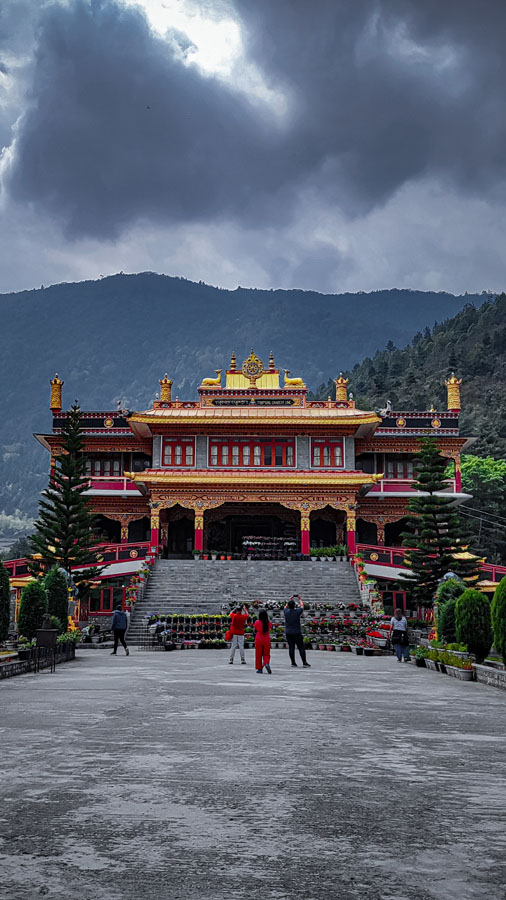
Dirang Monastery
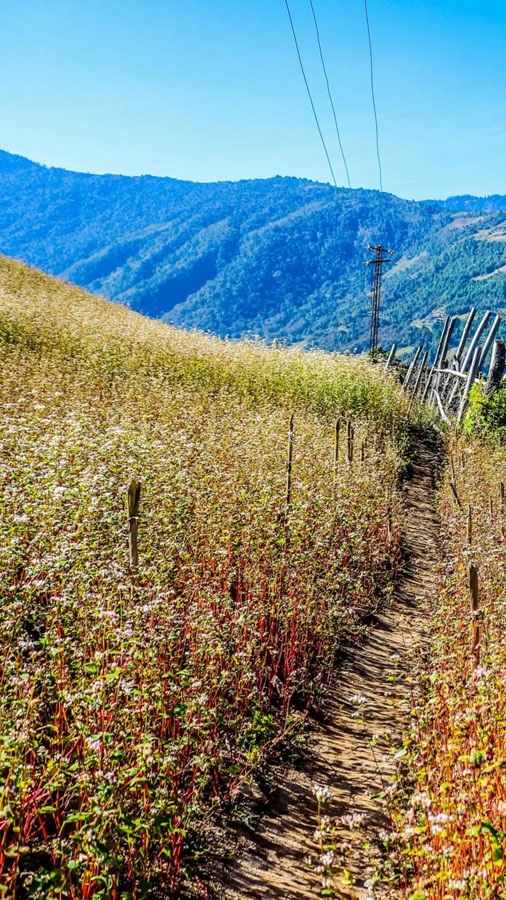
Dirang Valley
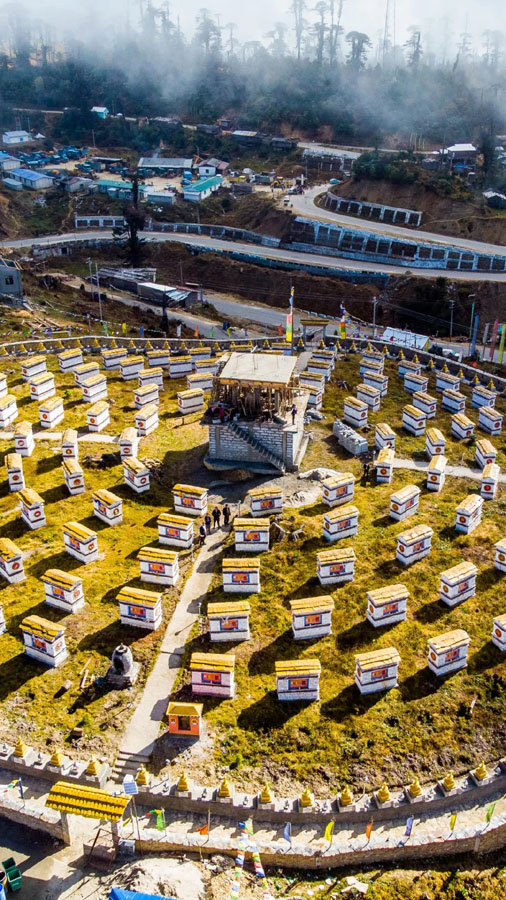
Mandala Top
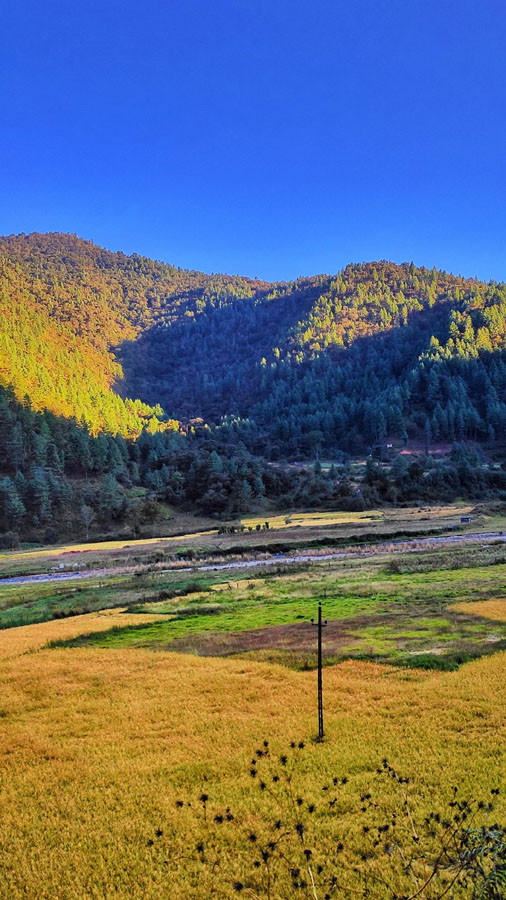
Sangti Valley
Dirang is situated in the state of Arunachal Pradesh, India. It is part of the West Kameng district.
Dirang offers picturesque landscapes and is known for places like Sangti Valley, the Dirang Monastery, the Dirang Dzong, and the hot water spring. The surrounding areas also have beautiful monasteries and natural beauty.
Yes, Dirang offers a range of accommodation options, including hotels, guesthouses, and homestays.
Arunachal Pradesh requires an Inner Line Permit (ILP) for non-residents to enter.
Activities in Dirang include exploring monasteries, enjoying the natural beauty, and experiencing the local food and culture.