Majuli is the world’s largest river island (now a district of Assam), sitting gracefully in the mighty Brahmaputra. Though centuries of river erosion have reshaped its shoreline, Majuli’s cultural and ecological identity remain remarkably intact. The island is an enduring cradle of Assamese neo-Vaishnavite culture, shaped by the 15th-century saint-reformer Mahapurush Srimanta Sankardev and his close disciple Mahapurush Madhavdev, who established the satras: monastic institutions that preserve, teach and perform the state’s unique art forms, music, dance, and literary traditions.
Apart from its living spiritual heritage, Majuli is a landscape of riverine charms - reed beds, marshes, oxbow lakes, and small farming hamlets where artisans craft traditional masks and pottery. Majuli’s slow rhythm, floating ferries, and afternoon skies create a contemplative atmosphere: a place for cultural immersion, birdwatching, and witnessing centuries-old rituals performed in rustic satra courtyards. A visit here is both a nature escape and a deep dive into Assam’s artistic soul.
Majuli’s attractions are a balanced mix of cultural institutions, traditional arts, and natural wetlands that attract migratory birds. Walking the island paths reveals centuries-old satras, mask-makers at work, and wetland pockets alive with waterfowl. Each satra has its own style of performance, craft specialities and calendar of events, together they form the heart of Majuli’s living heritage.
Majuli’s cultural circuit blends naturally with its wetland ecology — you can move from a satra courtyard performance to a quiet riverside spot witnessing migratory birds. The ferry rides to and from Jorhat add to the island’s charm; the gentle movement of the Brahmaputra invites slow travel, long conversations with satra elders, and hands-on learning in mask studios and weaving looms. Together, Majuli’s living traditions and natural pockets form a layered experience that stays with visitors long after they leave the island.
Majuli is reached primarily from Jorhat. Travelers drive to Nimati Ghat (near Jorhat) and take a ferry across the Brahmaputra to Majuli. Ferry services operate only during daylight hours, with limited crossings through the day — the last one to Majuli usually departs around 3 PM, depending on daylight and river conditions. There are no night ferries. Visitors can check the latest schedules and book tickets online at www.asiwt.in.
The nearest airport is Jorhat Airport (JRH). From the airport it is roughly a 45–60 minute drive to the ferry ghats, depending on the traffic.
The closest major railhead is Jorhat Town Railway Station or nearby Furkating. From either station, taxis or local buses connect you to the river ghats for the ferry to Majuli.
No permits (ILP or PAP) are required to visit Majuli for Indian or foreign nationals. Travelers can freely explore the island, its satras and villages. Standard ID proofs and responsible travel behaviour are recommended, especially when photographing rituals or entering sacred courtyards.
Majuli experiences a humid subtropical, riverine climate — hot, wet monsoons and cool, pleasant winters. The island’s wetland environment influences local weather patterns, often producing misty mornings and tranquil sunsets over the Brahmaputra.
| Season | Months | Temperature Range | Highlights |
|---|---|---|---|
| Winter | November – February | 8°C – 22°C | Cool, dry mornings and excellent birdwatching. Migratory waterfowl populate the wetlands — ideal for nature lovers and photographers. |
| Spring | March – May | 18°C – 30°C | Warm and pleasant; good for cultural visits, village walks and attending satra events without heavy humidity. |
| Monsoon | June – September | 24°C – 32°C | Heavy rains and higher river levels. Ferry schedules may vary; riverine landscapes are lush but some low-lying areas can be waterlogged. |
| Post-monsoon | October | 18°C – 28°C | Clear skies, comfortable temperatures and the lead-up to cultural festivals (Majuli Raas Mahotsav) — a preferred window for many visitors. |
Carry light rainwear during monsoon, sun-protection in summer, and warm layers for winter mornings and evenings. River ghats can be breezy after sunset - a light jacket is useful year-round.
The most comfortable and culturally rich months are October to March. Winter brings migratory birds and clear river views, while October-November coincide with key satra events like Majuli Raas Mahotsav performances. The island comes alive during the Raas Purnima festival, often coinciding with Guru Nanak Jayanti, drawing devotees and cultural enthusiasts from across India to witness Majuli’s most vibrant celebration of art, dance, and devotion.
Day 1: Kaziranga (optional) → Jorhat → Ferry to Majuli → Local village walk (visit mask-makers)
Day 2: Auniati Satra → Dakhinpat Satra → Evening riverbank sunset at Tengapania/any other
Day 3: Kamalabari Satra → Samaguri Satra (mask workshop) → Local markets
Day 4: Oxbow lake birdwatching → Return ferry to Jorhat → optional continuation to any other destination like Kazirang, Sivasagar etc.
For detailed itineraries and Majuli tour options, see our Majuli Tour Packages. Tailored stays with homestays and satra visits can be arranged for an immersive cultural experience.
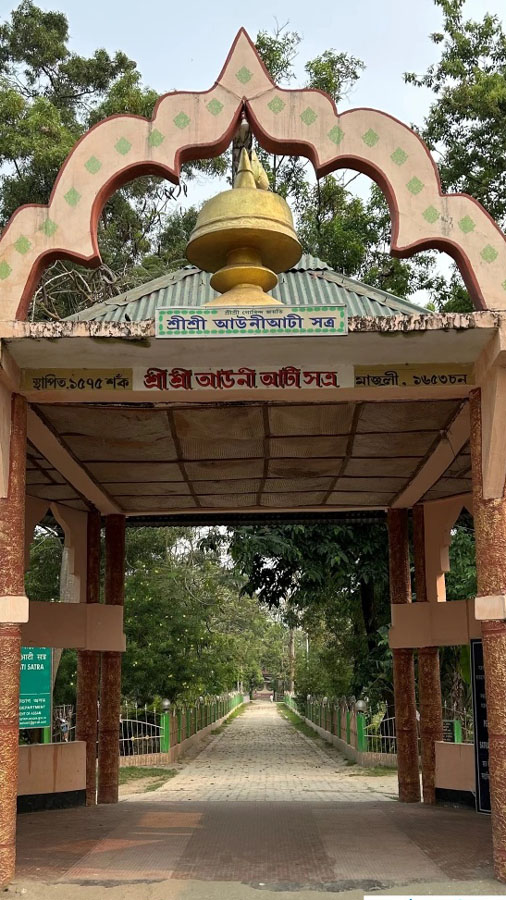
Aouniti Satra
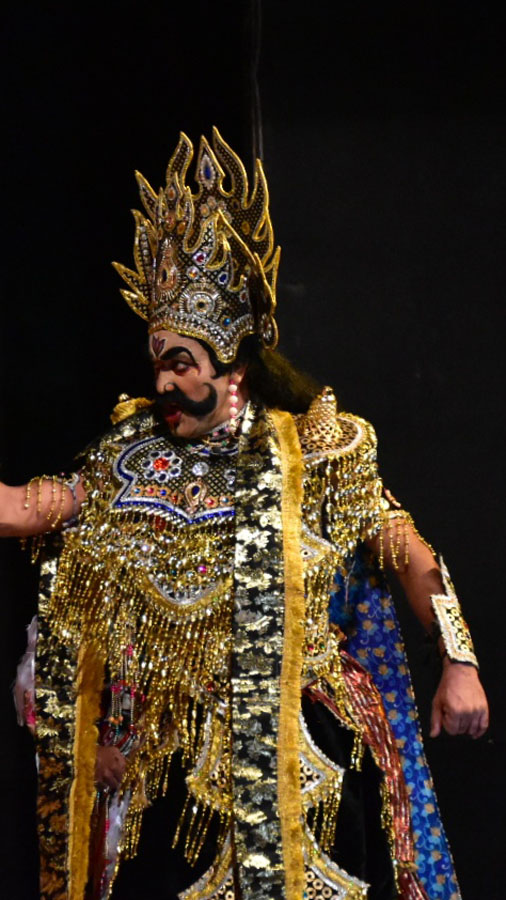
Raas Mahotsav
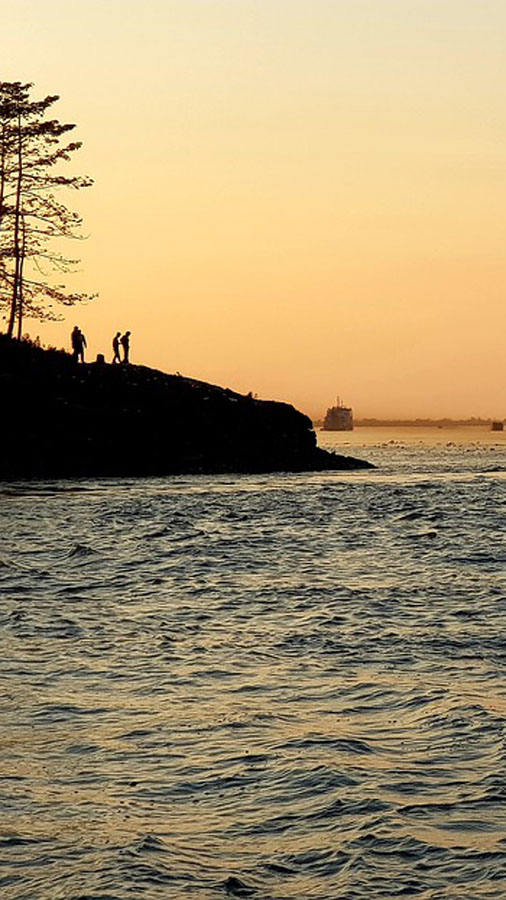
Sunset view of Majuli
Majuli is situated in the Brahmaputra River in the Indian state of Assam. It is the largest river island in the world.
The nearest airport is Jorhat Airport (Rowriah Airport), and the nearest railway station is Jorhat Railway Station. From Jorhat, you can take a ferry to reach Majuli.
The best time to visit Majuli is from October to March when the weather is pleasant. Additionally, the prominent festival called the Raas Mahotsav is celebrated during November.
Majuli is known for its Vaishnavite monasteries (Satras), vibrant culture, and natural beauty. Some notable attractions include Kamalabari Satra, Auniati Satra, Dakhinpat Satra, and Tengapania.
The mask making process takes place at Samoguri Satra.