Perched in the rolling hills of Nagaland, Kohima is a city where highland culture, war-time history, and everyday Naga life meet in an unusually intimate way. It is best known for the Hornbill Festival, the World War II Battle of Kohima ↗ legacy, and traditional Angami settlements that still preserve clan customs, wood-carved architecture, and terraced living. Kohima feels lived-in and layered — a place where markets overflow with local produce, elders trade greetings in Tenyidie, and heritage stories are woven into the hills themselves.
The city balances modern energy with deep-rooted identity: traditional shawls hang beside church spires, monoliths rise from village courtyards, and the surrounding ridges frame sunsets that turn the town golden. Whether visiting for cultural immersion, historic reflection, or the vibrant festival season, Kohima offers a grounded, people-centric experience that differs from the rest of Northeast India.
Kohima’s charm lies in its cultural depth and historical resonance — from Angami village traditions to solemn WW2 memorials and the spectacular Hornbill Festival arena at Kisama.
Beyond these experiences, Kohima also serves as a gateway to nearby wonders: the windswept trails of Dzukou Valley where bamboo groves and cloud-hugged ridges define the landscape, the quieter villages and river-valleys of Phek district where Chakhesang traditions thrive and trekkers take on the grassy summit of Mount Kapamodzu, and the culturally rich corridors leading toward Imphal — home to historic battlefields, vibrant Manipuri craft traditions, and the floating gardens of Loktak Lake. Each destination expands the journey with its own blend of nature, heritage, and highland charm.
Kohima is well connected by highways. It sits roughly 70–75 km from Dimapur (2–3 hours), which is the commercial hub of Nagaland. Roads are scenic but winding, with steady climbs into the hills.
The nearest airport is Dimapur Airport (DMU). From Dimapur, travellers typically continue to Kohima by shared taxi or private vehicle. A new airport for Kohima has been proposed, but all flights currently operate via Dimapur.
The closest railhead is Dimapur Railway Station, with direct connectivity from Guwahati and major northeastern junctions. From the station, the onward journey is by road to Kohima.
All Indian tourists (non-residents of Nagaland) require an Inner Line Permit (ILP) to enter Nagaland. Applications are processed entirely online. Foreign nationals also require a Protected Area Permit (PAP), arranged through authorized channels. Carry valid ID proofs for hotel check-ins and security points. Apply for ILP here: https://ilp.nagaland.gov.in/ilp/apply ↗.
Kohima enjoys a cool, highland climate. Summers are mild, monsoons bring lush greenery and mist, and winters are crisp. Festival months (late November–December) tend to be cold but atmospheric, especially around Kisama.
| Season | Months | Temperature Range | Highlights |
|---|---|---|---|
| Winter | December – February | 4°C – 15°C | Clear skies, cold evenings, ideal for Hornbill Festival & heritage village walks. |
| Summer | March – May | 12°C – 25°C | Pleasant days, cultural sightseeing, markets full of fresh highland produce. |
| Monsoon | June – September | 15°C – 22°C | Mist-filled hills, lush landscapes; occasional road delays due to heavy rain. |
| Post-Monsoon (Autumn) | October – November | 10°C – 20°C | Settled weather, festival build-up, great for photography and cultural circuits. |
Kohima is pleasant throughout the year, but these seasons are especially rewarding:
Day 1: Arrival at Dimapur → Drive to Kohima → Evening walk around the town and local markets
Day 2: Kohima War Cemetery → Cathedral → State Museum → Kigwema village
Day 3: Visit Naga Heritage Village (Kisama) → Festival shows (seasonal) → Explore Khonoma or return to Kohima
For culturally rich journeys that include heritage villages, WW2 sites, and festival circuits, explore our Kohima Tour Packages.
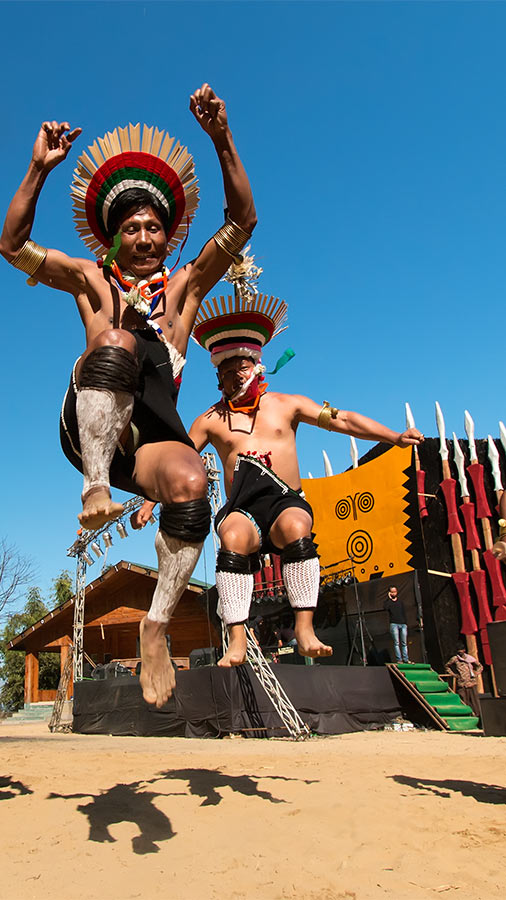
Hornbill Festival
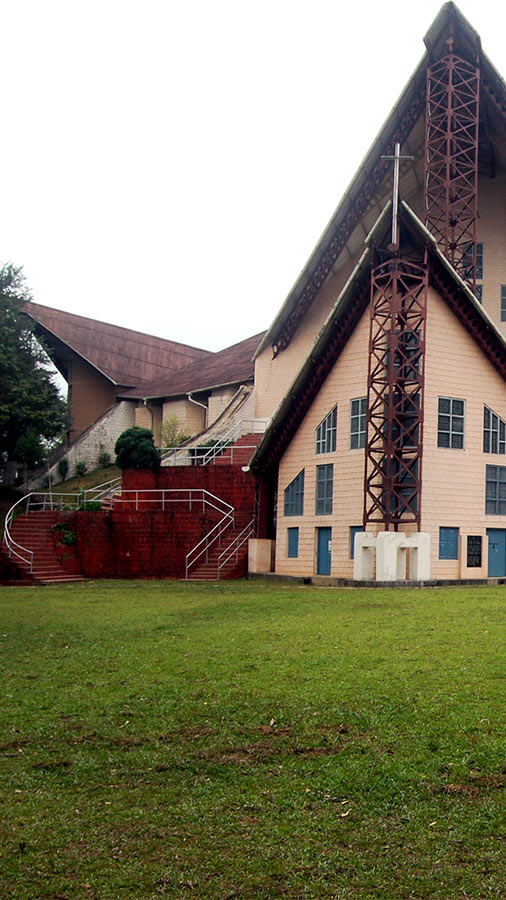
Kohima Cathedral
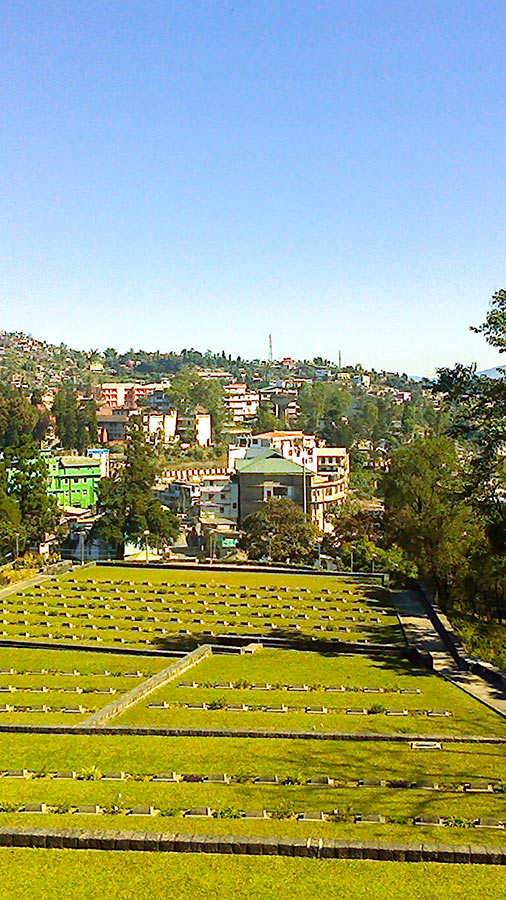
Kohima War Cemetery
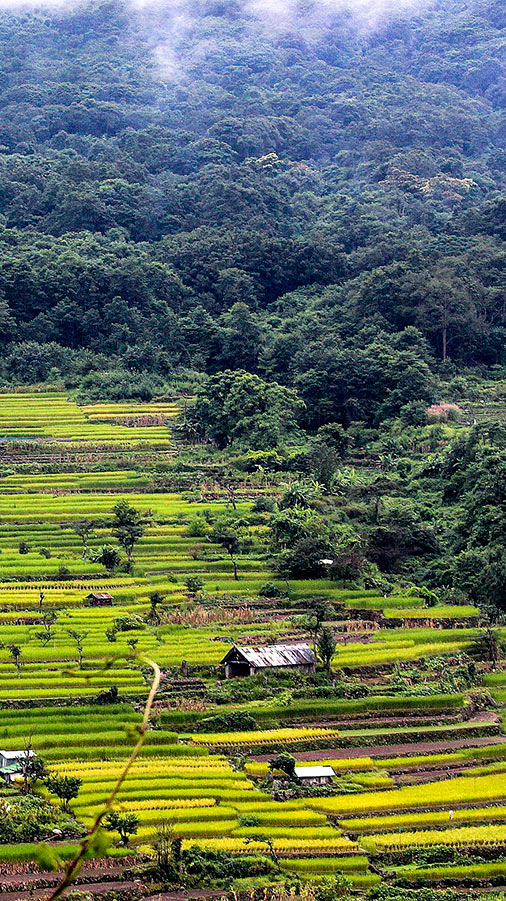
Step farming in Khonoma Village
Kohima is 65 kilometers away from Dimapur airport, the only airport in Nagaland.
Distance between Kohima and IMphal is nearly 140 kilometers.
Hornbill Festival is celebrated in between 1st of December to 10th of December.
Khonoma Village is known as India's first green village.
Dzukou Valley is nearly 25 kilometers away from Kohima.
Step farming is popular in the villages in the outskirts of Kohima. Khonoma village, the first green village of India, has lot of step farming paddy fields.
Khonoma VIllage, also known as the first green village of India, is famous for turning their hunting based community in to a farming and conservation community.